Psychology Puns That Will Make Your Mind Laugh
Psychology Puns always get me thinking and laughing at the same time. A clever twist on behavior or thoughts can hit harder than any therapy session.
I’ve spent years turning complex ideas into humor that lands naturally. These puns are designed to be shareable, relatable, and smart without feeling forced.
Funny Psychology Puns About Mind and Behavior
Brains can be tricky, so why not laugh at them? These puns play with thoughts, decisions, and habits in a way everyone can relate.
- Memory tried to hide the punchline but failed spectacularly.
- Habits formed faster than expected in this joke.
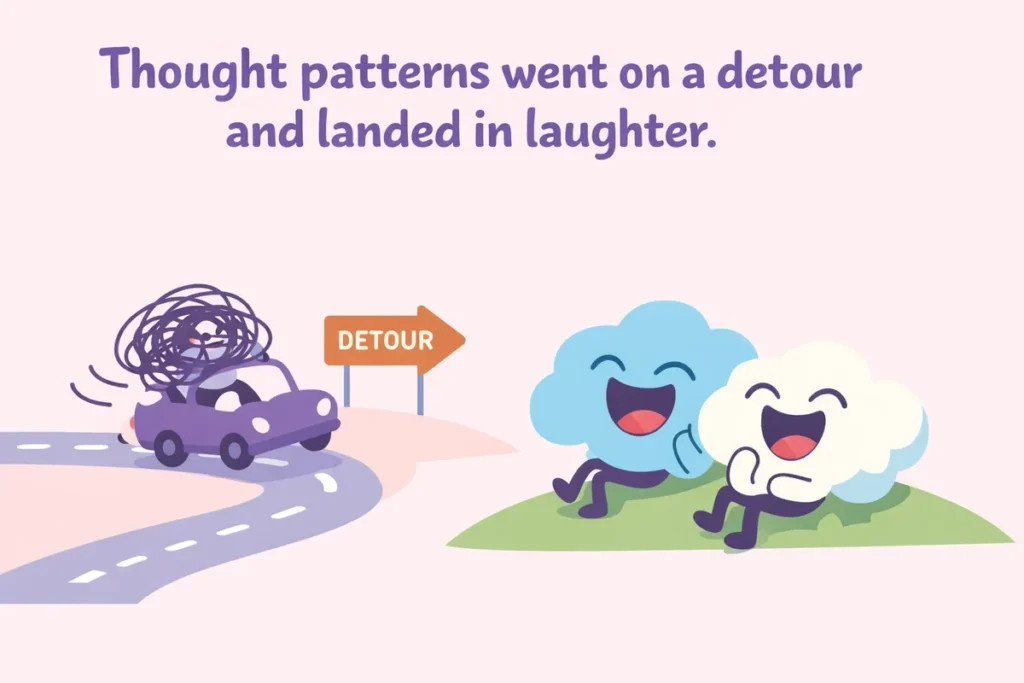
- Thought patterns went on a detour and landed in laughter.
- The subconscious whispered the punchline first.
- Behavior took a coffee break right before the joke.
- Dreams decided to get in on the humor too.
- Neural pathways lit up with giggles.
- This one rewired the mood instantly.
- Impulses acted before the brain could protest.
- Cognition went on strike and let humor lead.
- Perception got a little confused but enjoyed it.
- Attitude adjusted itself mid-laugh.
- Mental shortcuts took the long scenic route.
- Thoughts collided and produced a laugh explosion.
- Consciousness took a playful spin.
- Reflexes chuckled before awareness arrived.
- Decision-making got distracted by a pun.
- Motivation jumped on the joke bandwagon.
- Emotion joined in, adding extra warmth.
- Insight finally delivered the punchline.
Clean Tip
Drop these in conversations about work, school, or social media. They work best when shared with friends who love clever wordplay.
Freudian Humor That Makes You Sigmund Laugh
Sigmund Freud would probably approve of these puns. They mix psychology with playful innuendo without crossing lines.
- Ego tried to take the credit but failed.
- Superego shook its head but smiled secretly.
- Id went wild before anyone noticed.
- Repression tried to hide the joke but gave up.
- Dream analysis got an unexpected plot twist.
- Oedipus jokes stayed surprisingly subtle.
- Psychosexual humor wandered into clever territory.
- Fixation turned into a laugh marathon.
- Freudian slip delivered more than words.
- Subconscious plotted the punchline.
- Unconscious thought it was in control but humor won.
- Childhood memories joined the party.
- Neurosis waved awkwardly before laughing.
- Anxiety got distracted mid-giggle.
- Defense mechanisms cracked under pressure.
- Projection pointed at humor instead.
- Transference shared a wink.
- Latent content revealed a surprise laugh.
- Regression acted silly for extra effect.
- Catharsis ended with a big grin.
Clean Tip
Perfect for psychology students, therapy groups, or anyone who appreciates subtle mental humor.
Puns About Therapy Sessions
Therapists might roll their eyes but secretly enjoy these. Clever, relatable, and shareable.
- The couch tried to hide the laughter but failed.
- Notes scribbled themselves into a joke.
- Patient humor went unfiltered today.
- Therapist smiled quietly before responding.
- Session took a turn for the funny.
- Reflection decided to crack a smile.
- Insight jumped in without permission.
- Empathy carried the punchline gently.
- Coping skills laughed before awareness arrived.
- Cognitive restructuring got a surprise twist.
- Defense mechanisms softened slightly.
- Mindfulness noticed the joke instantly.
- Relaxation broke into chuckles mid-sentence.
- Humor therapy proved highly effective.
- Rapport grew faster than expected.
- Resistance melted under clever wordplay.
- Self-talk whispered something hilarious.
- Psychoeducation got playful.
- Motivation cheered from the back row.
- Reflection finally got the joke.
Clean Tip
Share in therapy groups, psychology classes, or mental health posts for a smart laugh.
psychology Puns That Make Your Brain Spark
Neurons, synapses, and brains get playful here. Perfect for science lovers who enjoy a mental workout.
- Synapses fired giggles at light speed.
- Axons stretched into a pun-filled path.
- Neurotransmitters carried extra fun.
- Myelin sheathed the joke in warmth.
- Brainstem tried to keep it serious but failed.
- Cerebellum coordinated a laugh perfectly.
- Hippocampus remembered every punchline.
- Cortex thought it was clever first.
- Amygdala laughed before the brain processed it.
- Limbic system joined for emotional impact.
- Frontal lobe planned the timing perfectly.
- Thalamus relayed the humor instantly.
- Hypothalamus added extra energy.
- Temporal lobe enjoyed the rhythm.
- Occipital lobe caught the visual pun.
- Parietal lobe touched the funny side gently.
- Neurons bonded over shared laughter.
- Glial cells gave silent support.
- Neural circuits hummed in delight.
- Brain waves carried the humor far.
Clean Tip
Use these for science teachers, students, or social media posts with brainy humor.
Psychological Disorders Puns That Stay Light
Sensitive topics handled with care. Humor stays clean, clever, and empathetic.
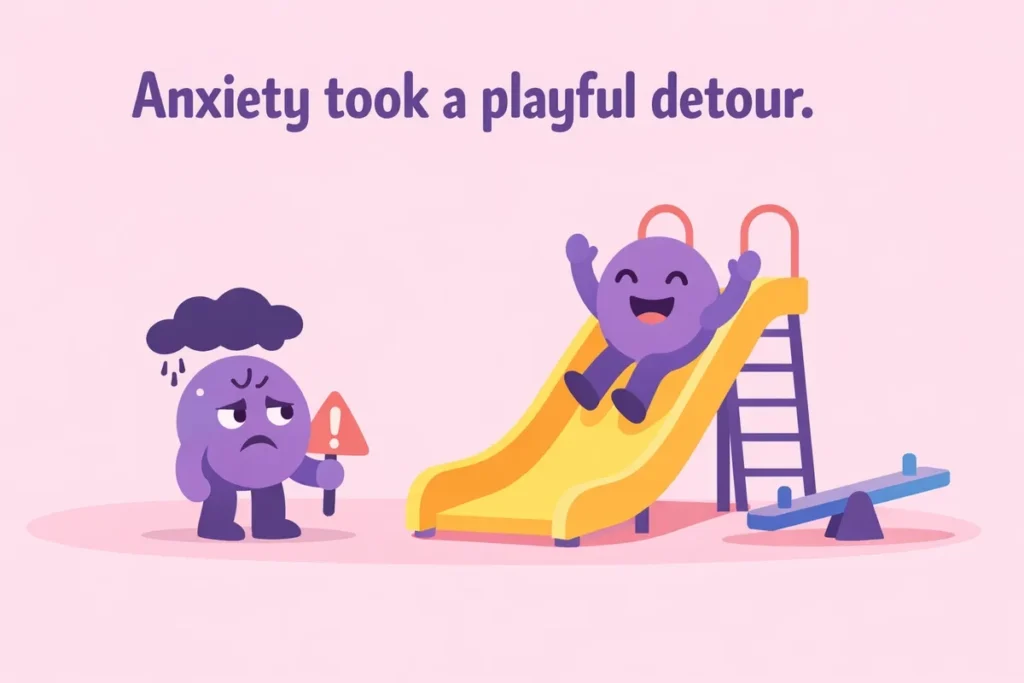
- Anxiety took a playful detour.
- OCD lined up all the punchlines perfectly.
- Phobias got caught laughing unexpectedly.
- Depression found a tiny smile hiding.
- Confusing humor swung joyfully today.
- PTSD jokes stayed careful but funny.
- ADHD energy jumped in randomly.
- Schizophrenia laughed at multiple perspectives.
- Narcissism enjoyed the spotlight briefly.
- Borderline humor played gently.
- Panic found relief in a small joke.
- Mania added extra enthusiasm.
- Dissociation stayed distant but amused.
- Compulsions followed the punchline faithfully.
- Mood swings added dramatic timing.
- Paranoia suspected every pun was plotting.
- Eating disorder humor stayed mindful.
- Addiction jokes remained cautious yet witty.
- Insomnia stayed awake for every laugh.
- Therapy humor felt safe and welcoming.
Clean Tip
Use in mental health awareness posts to lighten the mood responsibly.
Cognitive Bias psychology puns That Makes You Think
Our brain tricks itself. These puns reveal bias in a playful, clever way.
- Confirmation bias laughed at what it already believed.
- Anchoring made the joke feel heavier than expected.
- Hindsight bias winked knowingly.
- Availability heuristic popped to mind immediately.
- Overconfidence thought it predicted the punchline.
- Gambler’s fallacy bet on extra laughs.
- Self-serving bias took full credit.
- Fundamental attribution error smiled at others.
- Illusory correlation made a surprising connection.
- Halo effect shined brighter than expected.
- Optimism bias stayed hopeful through the joke.
- Negativity bias frowned then smiled.
- Sunk cost fallacy stayed committed to humor.
- Bandwagon effect joined quickly.
- Status quo bias preferred safe puns.
- Actor-observer bias laughed at its own performance.
- Base rate neglect misjudged the timing.
- Choice-supportive bias cheered for the punchline.
- Planning fallacy underestimated the fun.
- Anchoring bias stuck in memory longer than expected.
Clean Tip
Use these with academic posts, social media, or quizzes for smart humor.
Personality Type psychology Puns That Feel Relatable
Introverts, extroverts, and everyone in between gets a nod here.
- Extroverts laughed before the joke finished.
- Introverts smiled quietly but enjoyed it deeply.
- ENFP energy bounced around happily.
- ISTJ logic approved subtly.
- INFJ insight caught the hidden pun.
- ESTP jumped in at the perfect moment.
- ISFJ warmth carried the humor gently.
- ENTJ planned their laugh strategically.
- INTP analyzed every nuance.
- ESFP enjoyed the show without thinking.
- INTJ smirked knowingly.
- ENFJ cheered for everyone.
- ISTP noticed clever timing.
- ISFP appreciated the artistry.
- ESTJ laughed efficiently.
- INFP felt the emotional punch.
- ENTP created spontaneous humor.
- ESFJ shared it generously.
- ENTJ enjoyed control over timing.
- INFJ lingered on meaning for extra fun.
Clean Tip
Perfect for personality quizzes, group chats, or team-building humor.
Developmental Psychology Puns That Grow On You
From babies to adults, human growth provides endless humor opportunities.
- Toddler logic went wildly unpredictable.
- Teen rebellion laughed ironically.
- College stress found a funny outlet.
- Midlife crisis chuckled unexpectedly.
- Aging gracefully smiled quietly.
- Infant giggles started early.
- Adolescent moods added dramatic flair.
- Adulting hit with relatable irony.
- Parent humor sneaked in subtle lines.
- Childhood memories laughed back.
- Growth spurt humor rose naturally.
- Developmental milestone jokes landed perfectly.
- Play therapy revealed clever insights.
- Piagetian stages provided extra timing.
- Attachment styles influenced punchline delivery.
- Peer pressure added comedic tension.
- Milestone celebrations got playful.
- Life span humor remained clever.
- Cognitive growth sparked giggles.
- Social development humor connected deeply.
Clean Tip
Share with parents, teachers, or psychology students for relatable laughs.
Social Psychology Puns
Group dynamics and social quirks become fertile ground for humor.
- Conformity laughed at peer pressure.
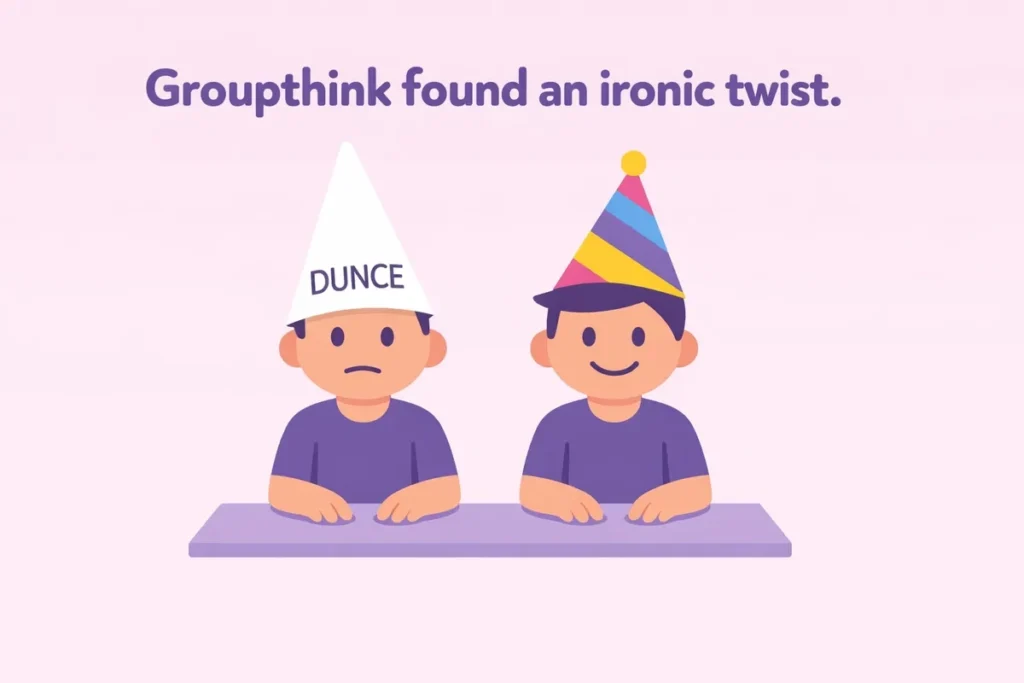
- Groupthink found an ironic twist.
- Bystander effect paused before helping the joke land.
- Social norms winked knowingly.
- Attitude change added subtle flair.
- Cognitive dissonance laughed quietly.
- Persuasion worked overtime today.
- Obedience followed the punchline willingly.
- Impression management tried to stay serious.
- Altruism smiled softly.
- Social loafing relaxed into the humor.
- Reciprocity added a clever nudge.
- In-group humor bonded quickly.
- Out-group jokes remained playful.
- Stereotype threat laughed ironically.
- Self-fulfilling prophecy cheered quietly.
- Group polarization amplified the fun.
- Social facilitation made the joke pop.
- Deindividuation added chaos humor.
- Social comparison delivered unexpected punch.
Clean Tip
Use in team posts, social events, or online communities to bond with clever humor.
Conclusion That Stays In Your Mind
Psychology Puns combine smart ideas with real laughs. They work in classrooms, social posts, therapy, or casual conversations. Share your favorites and watch your friends smile. Psychology Puns always get me thinking and laughing at the same time. A clever twist on behavior or thoughts can hit harder than any therapy session.
I’ve spent years turning complex ideas into humor that lands naturally. These puns are designed to be shareable, relatable, and smart without feeling forced.
FAQs
What is a famous quote about psychology?
A famous psychology quote is “Know thyself,” highlighting the importance of self-awareness in understanding human behavior.
What are some psychology words?
Key psychology words include cognition, behavior, perception, emotion, motivation, and personality, commonly used in studies of the mind.
What are some cool psychology topics?
Cool psychology topics cover memory, decision-making, social influence, mental health, neuroplasticity, and cognitive biases.
What are some fun psychology facts?
Fun psychology facts reveal that smiling can boost mood, humans have a negativity bias, and the placebo effect can change real outcomes.
What is the motto of psychology?
The motto of psychology is often summarized as “Understanding mind and behavior,” reflecting its focus on human thought and actions.
What is a powerful 3-word quote?
A powerful 3-word psychology quote is “Change your thoughts,” emphasizing the mind’s impact on life and behavior.